
Base64 and URL encoding both transform data into a transport-friendly representation, but they solve different problems. Base64 represents bytes using a limited text alphabet. URL percent encoding escapes characters that have special meaning inside a web address.
Neither technique hides information. Anyone who recognizes the format can reverse it. Use encryption and proper access control when confidentiality is required.
What Base64 does
Base64 converts binary data into ASCII characters. It is common in email attachments, data URLs, API payloads, and tokens where a text-only channel must carry bytes. Standard Base64 output can contain plus, slash, and equals characters.
The encoded result is larger than the original byte data, typically by about one third before surrounding protocol overhead. It is a compatibility format, not compression.
Hello -> SGVsbG8=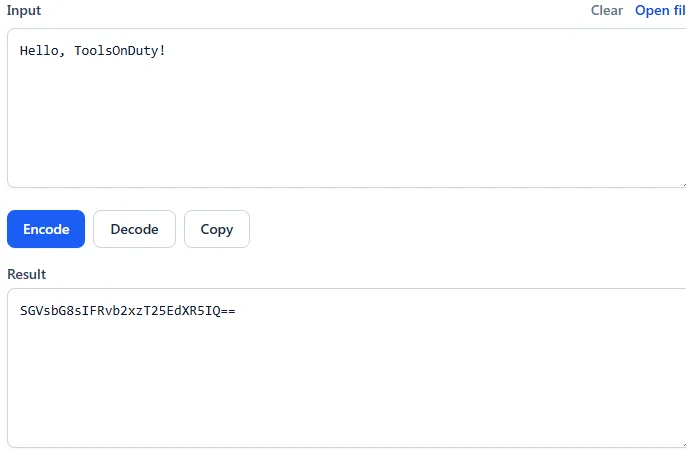
What URL encoding does
URLs reserve characters such as question marks, ampersands, slashes, and equals signs for structure. Percent encoding represents a character's UTF-8 bytes as percent signs followed by hexadecimal values. A space is commonly encoded as %20 in a URL path.
Encode individual query parameter values with a structured URL API rather than encoding an entire URL blindly. Encoding structural separators can change how the address is interpreted.
hello world -> hello%20worldBase64 inside URLs
Standard Base64 characters can conflict with URL and filename syntax. Base64url replaces plus with hyphen, slash with underscore, and often omits padding. JWT segments use this URL-safe variant.
Do not assume every Base64 decoder accepts Base64url automatically. Normalize the alphabet and padding or use a tool designed for the expected variant.
Do not confuse encoding with security
An encoded API key is still an exposed API key. Encoding does not add a secret key, authentication, integrity, or access control. Avoid putting sensitive values in URLs because addresses can appear in browser history, server logs, analytics, and referrer headers.
Try the related tools
Apply the steps from this guide directly in your browser.
Frequently asked questions
Is Base64 encryption?
No. Base64 is a reversible representation of bytes and provides no secrecy.
Why does Base64 sometimes end with equals signs?
Equals signs are padding used to complete the final encoded group. Some variants, including many Base64url uses, omit that padding.
Should I URL-encode a complete URL?
Usually no. Encode the individual path or query values with a URL API so structural separators retain their meaning.